
Archiving Our Artistry to Avoid Revisionist History
Fresh Heat has shaped generations of youth poets in Baton Rouge for 20 years. Without intentional archiving, stories like this risk being told incompletely — or not at all.
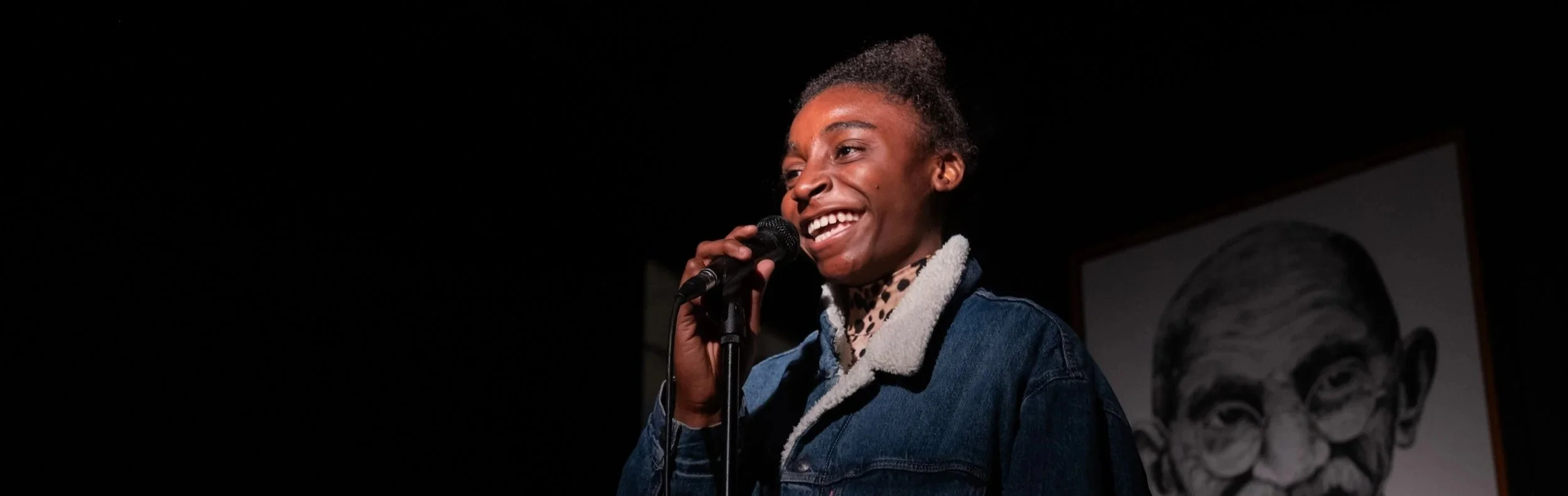
2026 marks the 20-year anniversary of Baton Rouge’s only youth open mic poetry event, Fresh(hhh) Heat Teen Open Mic. As a former co-organizer of this extraordinary event, I am thrilled to see it reach this milestone celebration, as the Fresh Heat stage has cycled through numerous generations of Baton Rouge youth poets and performing artists, and was a breeding ground for scores of alumni who would go on to do amazing things across sectors where communication is prioritized.
Recently, Baton Rouge’s premier lifestyle magazine, “225,” wrote a piece commemorating this landmark year in Fresh Heat history, and though the piece highlighted commentary from the event’s founder, Dr. Anna West of Humanities Amped, and a couple of other central figures in the event’s present-day status, there were glaring omissions that prevented the article from telling a more comprehensive, compelling story.
I know this because I, and many of my colleagues, friends and former students experienced much of the wonder of the event’s history that was left out.



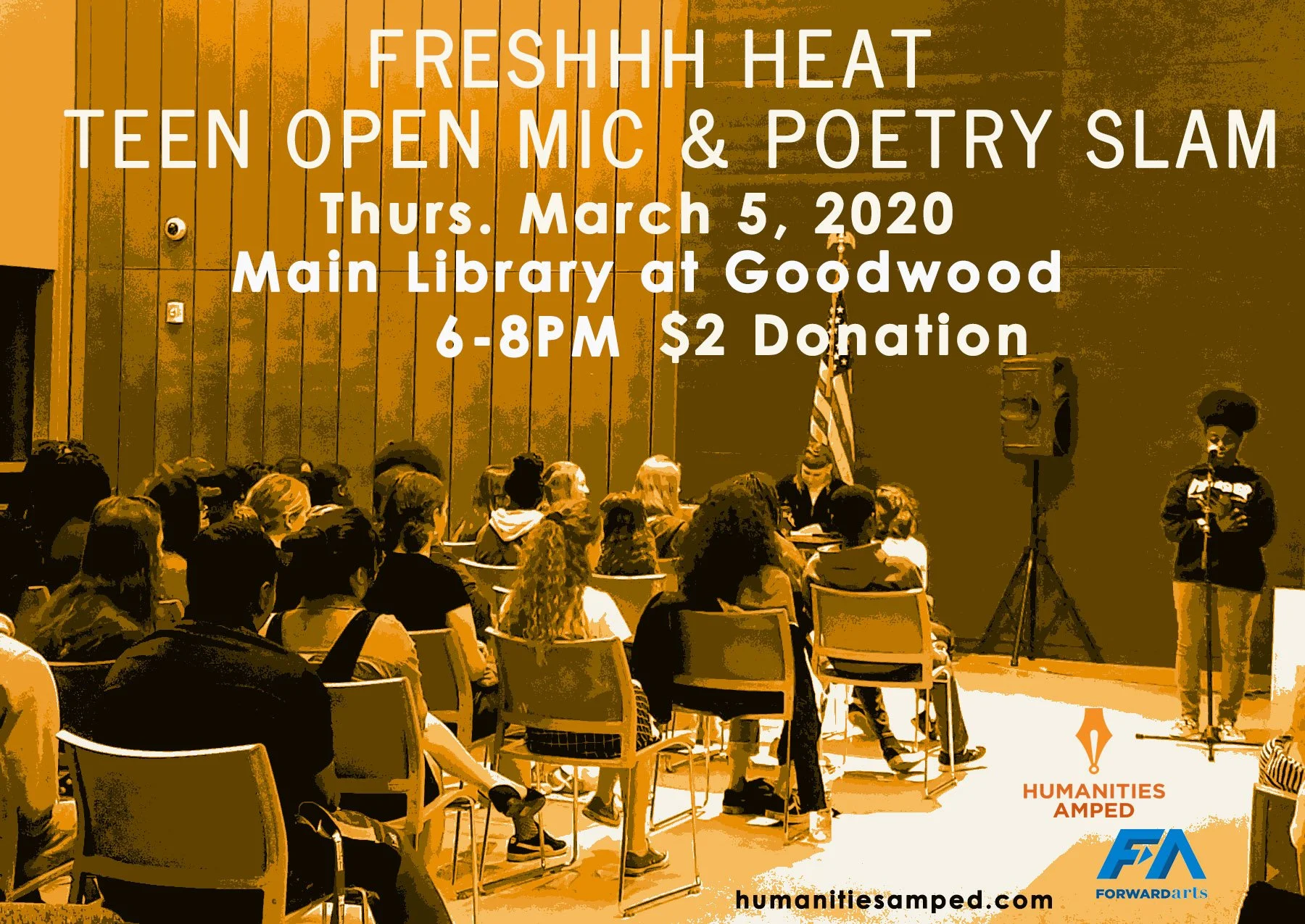
As I read the piece that glossed over significant details of Fresh Heat’s history, and did not mention other consequential moments, I did not fault the writer, an intern currently studying at LSU, nor did I fault those who sat to be interviewed and possibly had their commentary edited to fit a smaller word count. I instead reflected on how effective a job all of us who played a hand in its longevity did or did not do in archiving it.
A common practice in archiving the history of an institution, event, movement, etc., is to have a great deal of photo documentation, but as I thought about the holes in the Fresh Heat 20th anniversary story, I realized that having a robust collection of pictures is not enough to time capsule an era. Having a readily accessible archive of digitized articles, audio and video recordings, legacy social media pages, and testimonials from community members are but a few additional methods of preserving an entity’s impact.
For many who curate artistic spaces through nonprofit organizations, there often comes the burden of wearing too many hats that distract from getting critical archival work done. In particular, youth-centered arts nonprofits often do not have the financial capacity to hire or contract with folks who have expertise in archiving and documentation. When staffing is stretched thin and volunteerism is limited, there will be missed opportunities to capture content, thus creating a deficit in materials that are available to tell an organization’s full story.
Another barrier to effective archiving specific to arts nonprofits is staff turnover. If there is a persistent cycling of personnel within an organization, it can be difficult to piece together cohesive records. But even if staffing remains sufficient for a number of years, archiving opportunities can be missed when roles are not clearly defined as to who is responsible for what.
Organizations and social movements with a limited amount of archived work are more susceptible to having their narratives being told incorrectly and their history erased. A human way to avoid narratives being misrepresented or historically inaccurate, is to have conversations with community elders who can provide context for an organization or fill in any gaps. A technological way to avoid narrative disruption is to record everything and do quality control in the aftermath to ensure that certain items are professional enough and worthy of saving.
Whenever there is an insufficient amount of transferable documentation, it is possible for the media, or even an organization’s most fervent supporters to (unintentionally) carry and articulate inaccurate information. Misinformation about an organization’s history, triumphs, hardships, leaders, etc. can feel like an affront to those who poured their blood, sweat and tears into an organization’s success, and as a consequence, sever foundational relationships.
All in all, it is possible for an organization or social movement to have their archives intact and still be reported about incorrectly. But when proof of concept and implementation is not within arm’s reach, it makes it far more possible for an organization to encounter revisionist history related to the scope of its history, and the history-makers who lent a helping hand — or a building one.