
From Art to Output: Hip-Hop as a Content Farm
As streaming and social platforms reward constant visibility, hip-hop artists are increasingly pressured to prioritize output over craft in an attention-driven economy.
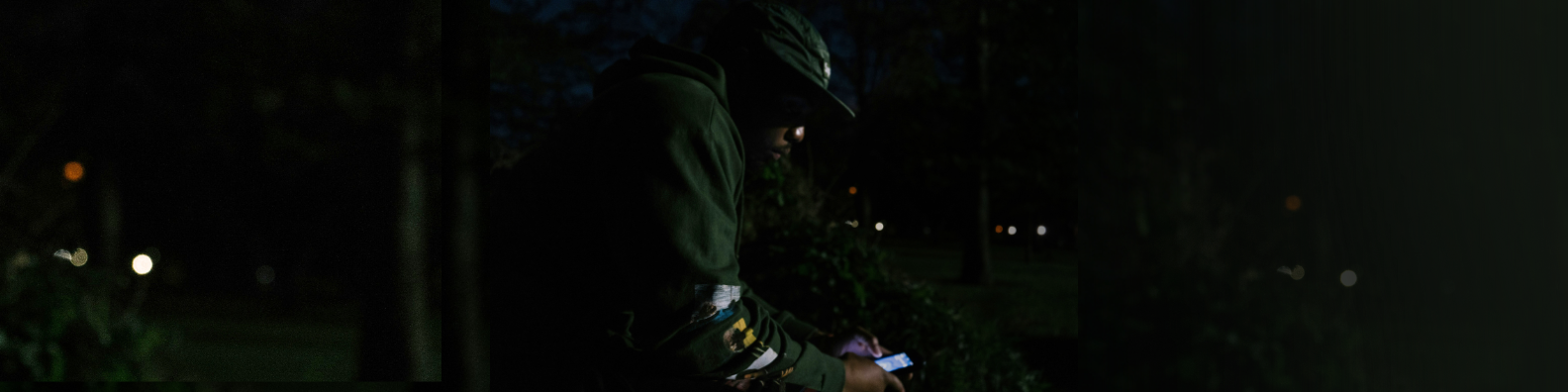
A person checks a smartphone at night in Long Island, New York, Dec. 3, 2020. (Photo by Kashawn Hernandez on Unsplash)
Once upon a time, the music made us wait.
Hip-hop once knew how to leave us in suspense.
Raise your hands if you remember an era when artists vanished into albums for months or years at a time. When the distance between artist releases was not empty, rather it was a period of anticipation, re-listening and debating classics. In the modern era of algorithm-fueled mass production, the space between releases often is interpreted as the artist has fallen off or has been swallowed into the abyss of timelines.
The culture has selective amnesia. It no longer waits — it refreshes.
Somewhere between the rise of streaming platforms and the dominance of social media, hip-hop crossed a threshold where an artist’s ubiquity became their strongest currency. Albums became secondary to singles, singles became secondary to snippets and snippets became secondary to how often an artist found their way into our scrolling patterns. What was once an art defined by album rollouts, video world premieres and magazine articles that previewed the artist's vision for their upcoming project has become a system governed by demand. In 2026, the omnipresence of an artist is often weighted more favorably than the quality of their output.
Relevance is labor. And in hip-hop, an essential tool for survival.
Depending on who you ask, there are those who view this moment in history as one of maximum liberation and creative control. Anyone can upload. Anyone can be heard. There are very few rules to being platformed. But this free-flowing landscape has not come without a cost — and as a consequence, volume has taken precedence over depth. The speed of output has, in many respects, taken priority over the end result. Artists have been reduced to less of a creator and more of a supplier of content. A workforce that labors to feed a perpetual content farm.
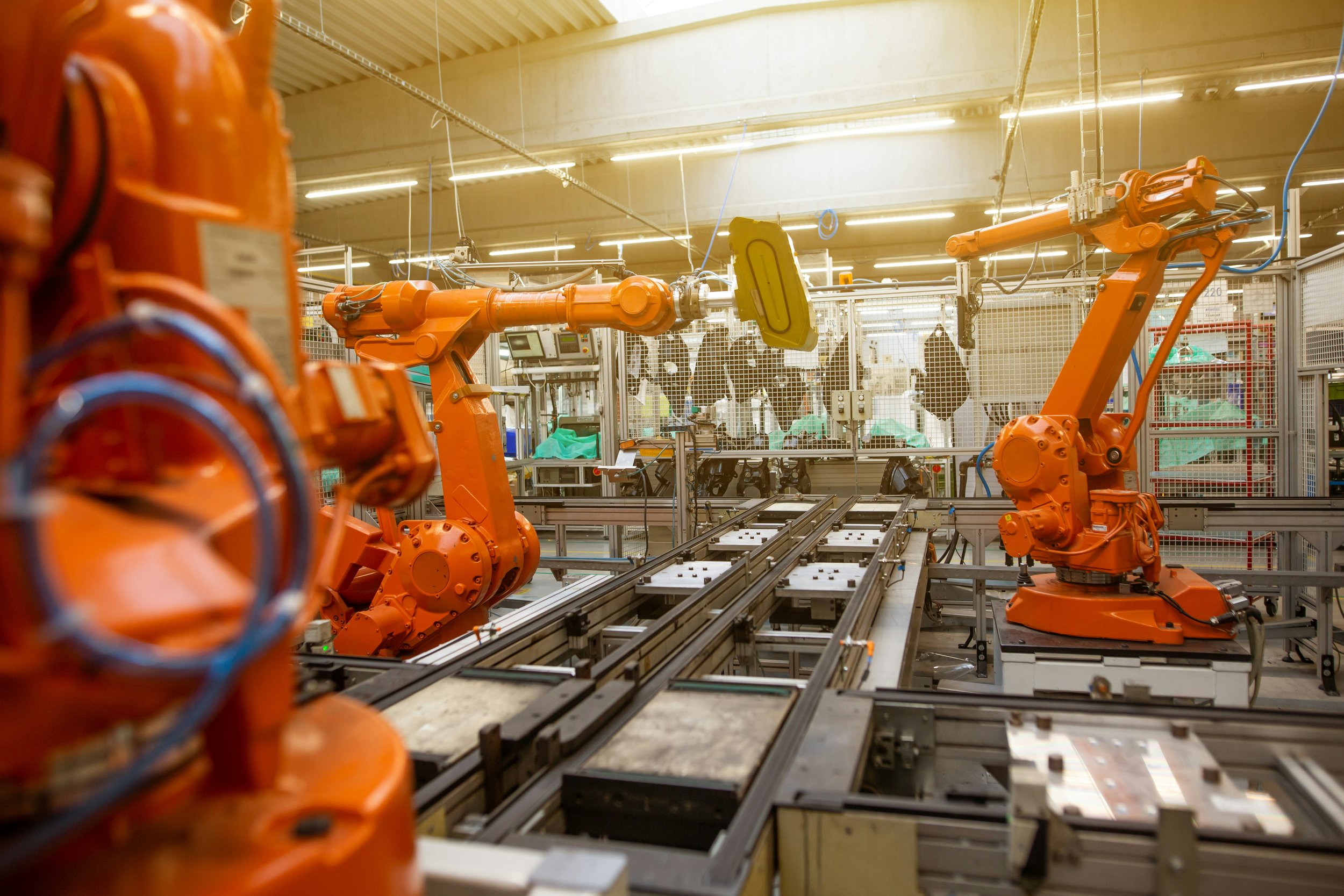
The game is a familiar one. It mirrors the broader gig economy, where the tireless hustle dictates whose inboxes and call logs will be buzzing with opportunities. Hip-hop artists today function less like owners than independent contractors. Platforms gatekeep visibility. Algorithms enforce discipline. Spend too much time luxuriating in the process of creation and the penalty is invisibility.
Even the casual fan-consumer of the art form have adopted the language of the machine. We expect our favorites to “feed the algorithm,” to “stay consistent,” to not “disappear.” We want quality art but we need it to come at the speed of a drive-thru order so that our devices can remain soundtracked by the new-new. There is not much room to slow-cook when we have been spoiled by hot-and-ready.
And as a consequence, we have seen the hollowing out of hip-hop albums. Labels are preoccupied with chasing virality. Hooks are engineered to be TikTok-friendly. Verses are interrupted on social platforms as a means of teasing audiences. An industry has grown less concerned with an album’s shelf life and more concerned with how far it can travel and at what speed.
Artists like Kendrick Lamar, whose long silences once felt special, now are considered rare exceptions that can be afforded only by those who have already planted their flag within hip-hop’s collective consciousness. For others who have not reached similar levels of critical and commercial acclaim, being missing in action is viewed as failure.
The system machine requires an unrelenting “work ethic.”
For Black artists, the demand for tilling a vast content farm carries historical weight. Black creativity has long been treated as a bottomless well — one where an endless supply of soul and slang and cultural cues can be siphoned with no regard for the burnout that accompanies those efforts. Which begs the rhetorical question of who really benefits from the “farm labor” when the workers are too exhausted from seeding digital streamers to take the time necessary to cultivate works that are dope and timeless.
Platforms like Spotify and TikTok are rewarded with engagement on account of artist labor. The profit margin is expansive for everyone except the musicians whose labor sustains it.
What is lost is not nostalgia, but the room to breathe.
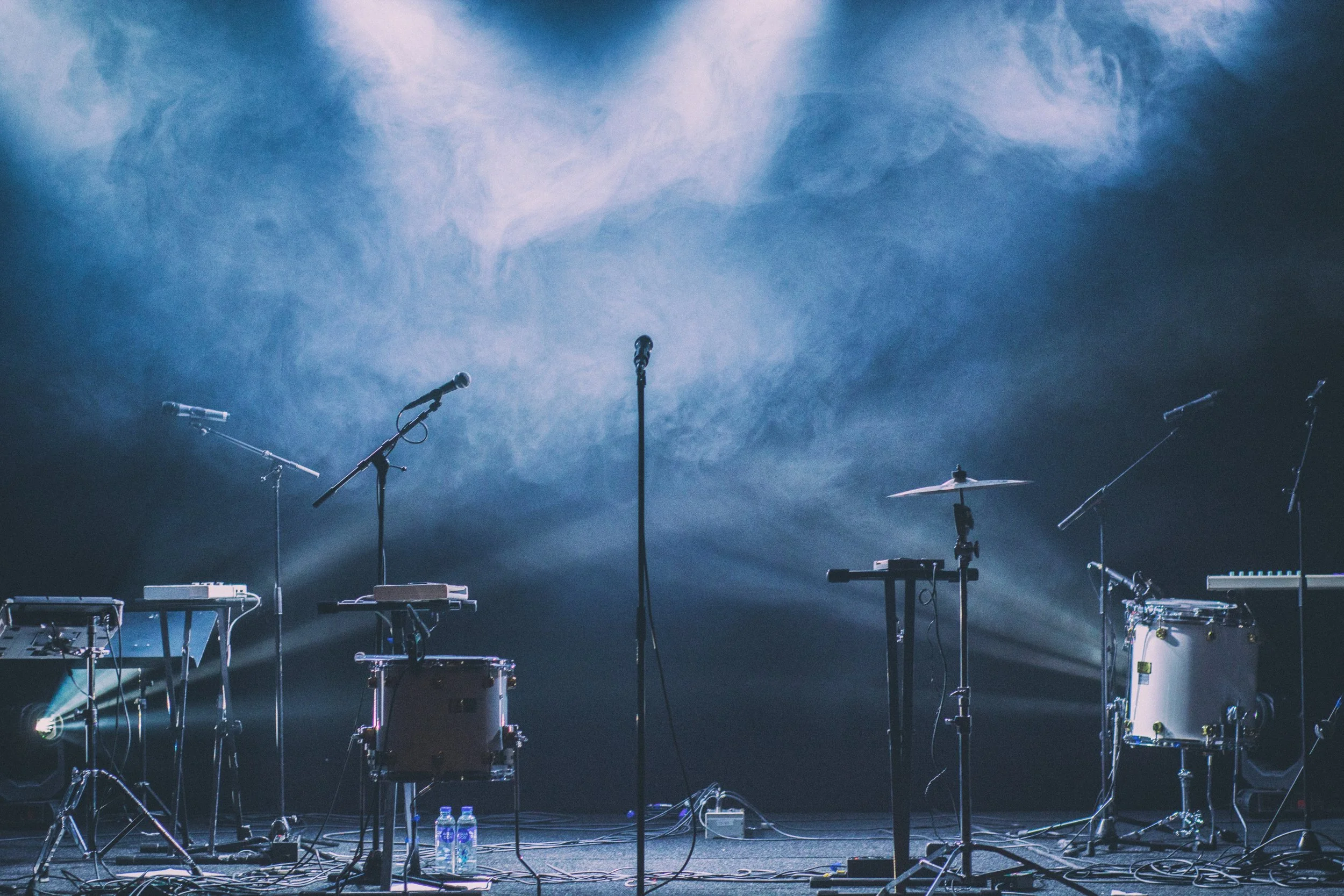
An empty live music stage stands illuminated by overhead lights before a performance, Sept. 22, 2020. (Photo by Magnus Lunay on Unsplash)
Craft requires time. Meaning requires intentionality, then careful execution. When output becomes the end goal of artistic excellence, the art ultimately becomes qualified by streams, impressions and engagement — rather than the genius effort it took to bring it to life.
Resistance, then, may not look like rebellion. It may look like refusal. Fewer releases. Deeper delays. Artists like Jay Electronica, whose scarcity has historically aggravated – and arguably – stunted their fan base, now seem like they may have been on to something all along. In an economy built on churning out art as an assembly line, refusal to mass-produce is more akin to a dignified workers’ strike than a middle finger to expecting fans.
And if hip-hop is to remain more than an assembly line of infinite content, its creators must be given space to produce art that is not bound by the speed of a scrolling thumb. The music will not die from taking its time. It will only continue re-birthing itself by giving the kind of life to its listeners that can only be gained when its visionaries are given the green light to yellow-light through the creative process.