
On National Poverty in America Awareness Month and Hip-Hop as a Tool of Philanthropy
As National Poverty in America Awareness Month highlights economic inequality, hip-hop’s relationship to wealth, visibility and philanthropy reveals deeper truths about survival and responsibility.
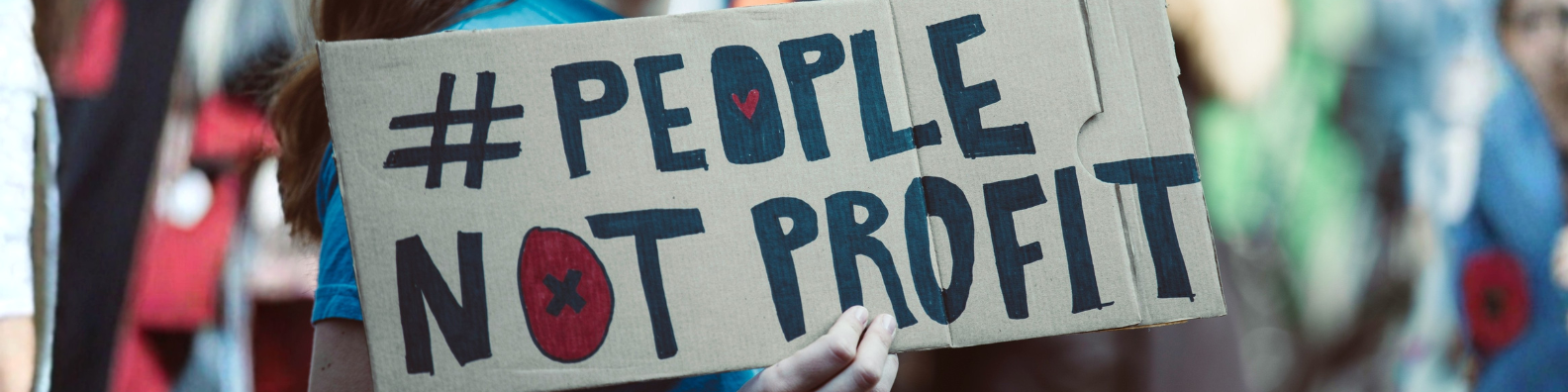
(Photo by Markus Spiske on Unsplash)
Hip-hop as a community has a deep understanding of poverty, so many of its success stories work to aid others in their time of need.
On the 1991 Naughty By Nature song “Everything’s Gonna Be Alright (Ghetto Bastard),” the group’s lead emcee, Treach, rhymed with visceral imagery about the poverty he endured growing up in the “bricks” of East Orange, New Jersey. Treach was by no means the first rapper to wax poetic about surviving inequitable conditions en route to some level of material success, but in a moment when the genre was pivoting to rhymes that highlighted aspirations of “champagne wishes and caviar dreams,” his bars on “Ghetto Bastard” painted a stark reminder of the harsh realities that many of the culture’s stars were emerging from:
“A ghetto bastard, born next to the projects/Living in the slums with bums, I said, ‘Now why, Treach Do I have to be like this?’ Mama said I'm priceless/So why am I worthless? Starving is just what being nice get.”
By the time hip-hop began dominating charts in the mid-1990s, rhymes about socioeconomic struggle were starting to take a backseat to verses that gave nods to Versace, Cristäl, and the latest model of Mercedes-Benz. Grandiose videos depicting images of hip-hop artists who were seemingly born on third base replaced lyrics about humble beginnings such as Grandmaster Flash and the Furious Five’s iconic “The Message,” and the rapper-as-baller-shot-caller was paramount to artists being seen as American success stories.
For decades, critics of hip-hop culture have chided the excessive materialism presented in the lyrics and ideologies of some of its most successful creatives. Hip-hop’s “get rich or die trying” mantra, adopted long before it was the title of Curtis “50 Cent” Jackson’s mega-breakthrough album, has drawn the ire of purists as those who posit as guardians of the essence of hip-hop culture have long believed that “get money” messaging diluted the original intent of the music. And as a consequence, negatively altered the trajectory of what the culture could have grown into.
The truth is, not many rappers who have made careers out of rhyming about opulent lifestyles have done a great job articulating why European fashion brands and boasts of luxury cars and houses always appear in their recordings. It feels fairly evident that emcees who spit bars about the finer things and their proximity to wealth need their audiences to know that they made it. Because in America, material wealth generally coincides with having a humanity that’s valued; and being a have-not is synonymous with invisibility.
The month of January is designated as National Poverty in America Awareness Month, a monthlong observation meant to raise awareness about poverty's impact and encourage action for financial stability and opportunity. During this period, various organizations host events and share resources to highlight issues like living wages, energy costs and support systems for families. The key themes of the 2026 observation of National Poverty in America Awareness Month are the following:
Financial stability:focusing on living wages, job support and building family assets
Community support:highlighting programs like weatherization and rent assistance that help families manage essential costs.
Dignity & opportunity:emphasizing solutions to poverty through empowerment and access to resources.
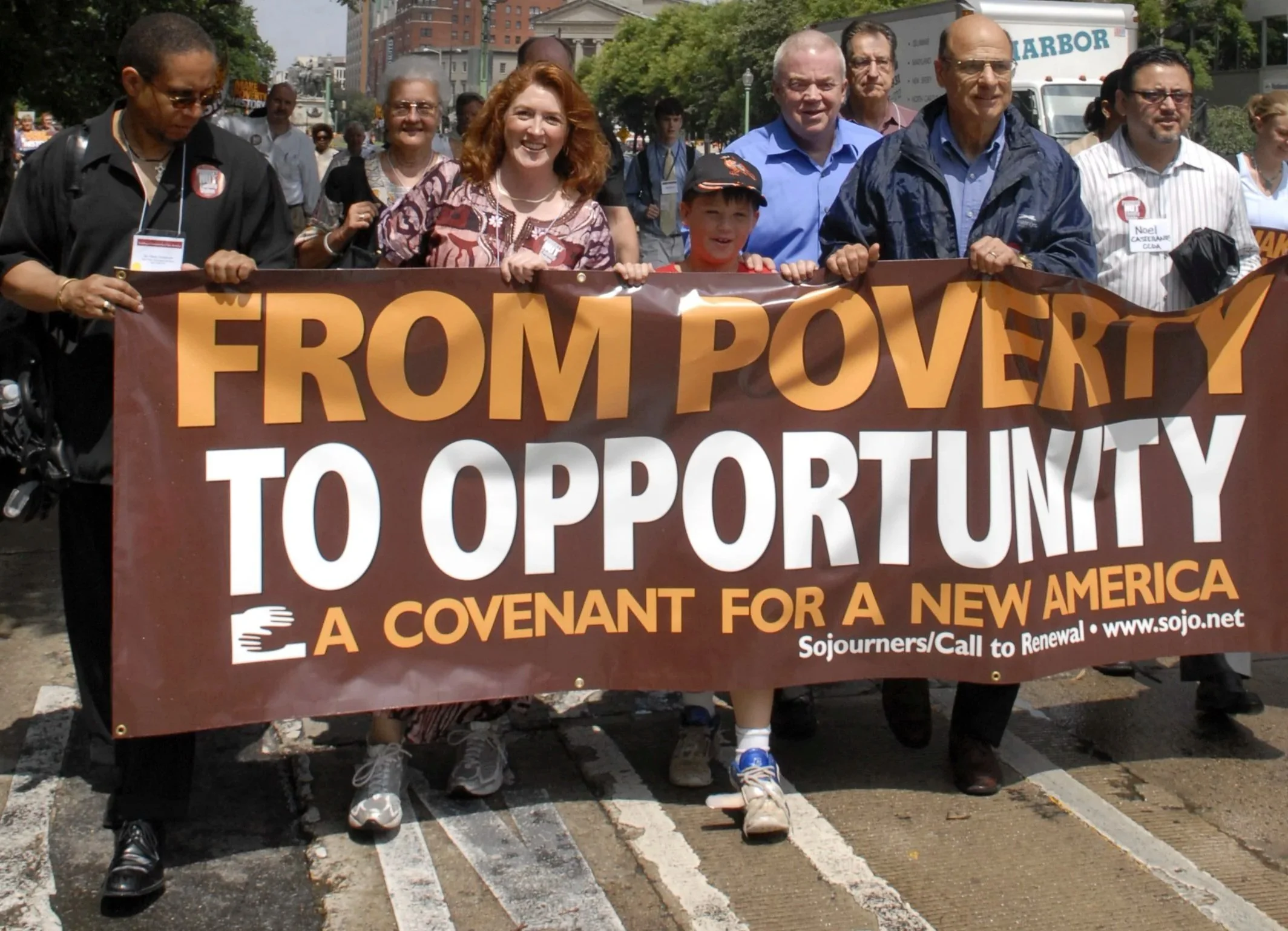
(Photo credit: Douglas Graham/Roll Call/Getty Images)
In 2025, an estimated 10.7% or 37.9 million Americans were considered to be living in poverty. Many of those areas where poverty was most concentrated consisted of inhabitants who dwelled in the same settings that many of hip-hop’s top earners once resided. And as income inequality steadily creates a deeper division between the ruling class and a large portion of Americans living paycheck to paycheck, there has been a concerted effort by some of hip-hop’s more affluent members to use their philanthropic efforts to help balance the scales.
Noteworthy artists such as Jay-Z, Kendrick Lamar, Megan Thee Stallion and Eminem have invested millions of dollars into public education, housing and health initiatives in the communities they come from and beyond. Though these efforts do not provide cash-in-hand support to communities, it does finance resources that are not always accessible, thus alleviating a degree of financial strain. Several other hip-hop artists have developed philanthropic organizations that focus on an array of socioeconomic issues ranging from food insecurity to providing full scholarships for minority students to attend college tuition-free.

(Offset at Christmas Toy Drive; Paras Griffin/Getty Images)
It can be (cynically) argued that these initiatives are good public relations moves or tax write-offs, but the larger takeaway is that there are members of the hip-hop community who have made it their duty to assist under-resourced communities they are intimately familiar with.
Because they know what it is to walk this “land of opportunity” with hunger pangs that come by way of circumstances beyond their control. And because they are aware of how even the slightest change in someone’s material conditions can profoundly impact what lies ahead in the future.