
Hip-hop Voices are Bringing Fire to ICE’s Occupation
As immigration enforcement actions expand across U.S. cities, hip-hop artists and community organizers are using culture and visibility to challenge ICE activity and support immigrant communities.
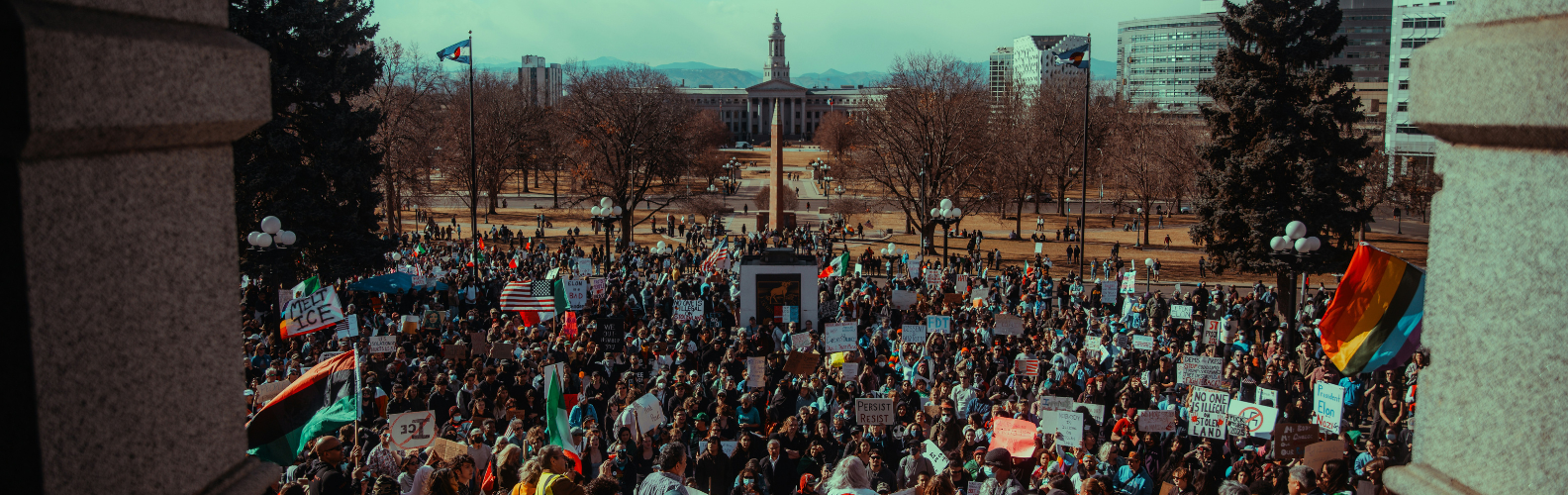
Photo by Colin Lloyd on Unsplash
As Immigrations Customs Enforcement (ICE) wreaks havoc on American cities, hip-hop is voicing its dissent. Hip-hop, as we know it, is a shining example of American culture that was shaped largely by immigrants. Many of the genre's pioneers — whether early DJs, dancers, graffiti artists, or MCs — were Afro-Carribean and Latino first-generation Americans who birthed this culture as a way to mitigate gang violence and fill the void left by inadequate music education in their schools. The bedrock of hip-hop is multiculturalism, which is why it is no surprise that many of hip-hop’s most prominent figures strongly oppose the Trump administration’s efforts to use ICE to terrorize immigrant communities.
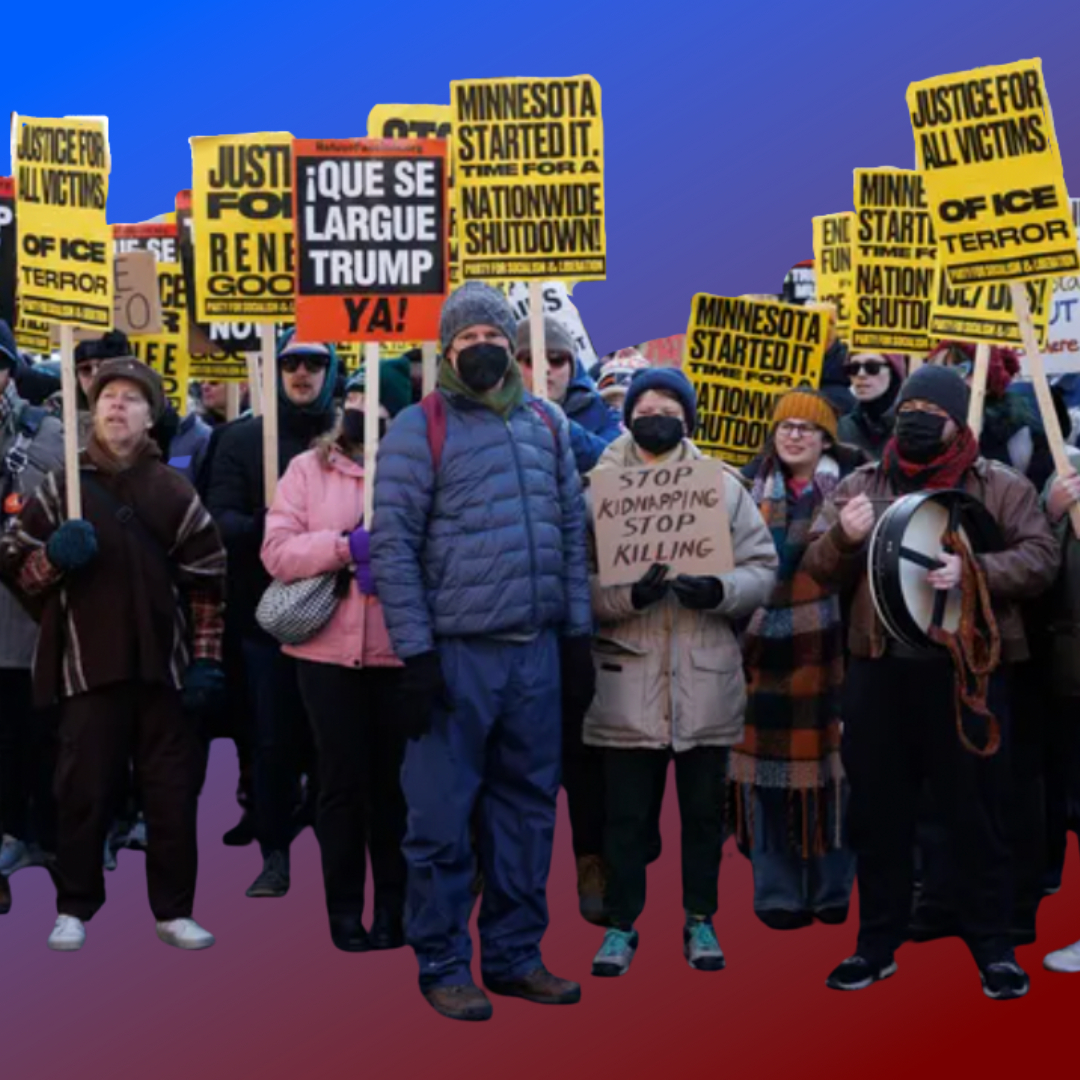
The year 2025 has seen a forceful display of federal law enforcement occupation in American cities such as Chicago, Los Angeles, Philadelphia, and New Orleans, with ICE serving as a lead agency behind the detention and unlawful arrests of thousands of citizens, both documented and undocumented. These cities are heavily Black- and Brown-populated urban centers that have functioned as sanctuary cities for asylum seekers. At the municipal level, they are led by Democratic mayors who have drawn the ire of the Trump administration for protecting their residents.
But what the president may not be aware of is the extent to which hip-hop culture is using its global megaphone to denounce ICE's actions and stand in the gap for its diverse fan base and, consequently, many of its foreparents. In Chicago, rappers and activists such as Chance the Rapper and Vic Mensa are using their sizable platforms to articulate bold anti-ICE stances.
In an August interview with the Los Angeles radio show REAL 92.3 LA’s "The Cruz Show," pioneering hip-hop icon Ice Cube said the government was being “heavy-handed” in its immigration crackdown and that he believed part of ICE’s objective is to “traumatize people.” Fellow Los Angeles rap superstar The Game posted a proclamation of unity and communal love on his Instagram, stating the following:
“Ever since I could remember… it’s been black & brown in this city. From the early days of my childhood til now, we’ve been side by side through it all. All of us. All the time. Not always seeing eye to eye but we’ve shared Los Angeles for a very long time. I stand with y’all like I know you’d stand with us.”
Hip-hop as Organizing Power
The show of solidarity is not limited to “big-name rappers,” as several independent artists and hip-hop culture bearers have helped organize tactical meetings to support and protect their immigrant neighbors and use their social capital to speak up for vulnerable community members.
“Every time we see ICE activity, we’re filming it anonymously and spreading the word,” New Orleans hip-hop artist and activist Alfred Banks told MS NOW. “We’re warning people: if you don’t hear from me randomly, you should be afraid something happened.”
In 2019, Grammy-nominated, London-born rap superstar 21 Savage was detained by ICE and received support from industry heavyweights such as Jay-Z, Cardi B, and Killer Mike as he navigated the possibility of being deported. His fate could have been different if he had not had access to cultural titans willing to advocate on his behalf. But for the hundreds of thousands of immigrant families across the U.S. who do not have a Jay-Z on speed dial, the advocacy of activists, politicians, and even the hip-hop community is critical in safeguarding them during this crisis.
If we subscribe to the origins of this culture, its creators and influencers, and the ideology that birthed it, we cannot be complicit while our neighbors are being taken. At its foundation, hip-hop is a tool of resistance and inclusivity/community.
Our families are under attack, and we would be abandoning the values of the culture we love if we remain silent while people who resemble many of our cultural foreparents are being treated so inhumanely.