

Inside The B-Side Program at Carnegie Hall: Preparing Tomorrow's Music Industry Leaders
A program at Carnegie Hall invests in the next generation of the music industry.
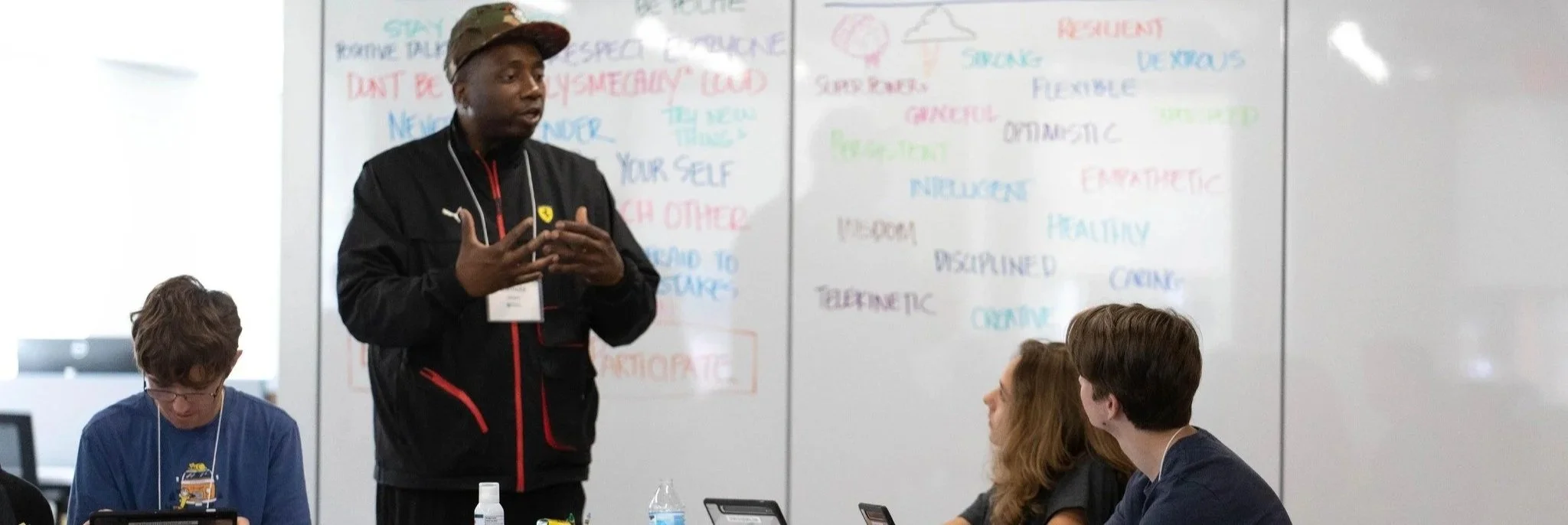
In my time as a teaching artist and a mentor, virtually every young person I have met has mentioned to me a desire to be an artist in the music industry. It makes sense, as my role as an arts educator and then an administrator of arts programs meant that the high school and college students I encountered were young artists looking to follow their dreams. Maybe if I was teaching another medium or in another field it would be different, but I did not find it strange and still do not. Upon reflection, however, I realized how unprepared these young people were to enter into the world they aspired to be a part of. At that same age, other than writing lyrics and performing on stage, the only thing I really knew about the music business could be summed up in the famous line from the iconic song “Check the Rhyme” by A Tribe Called Quest, “industry rule number 4080/record company people are shady.”
In 2026, the business of music is more complicated than it has ever been. With the way branding and marketing — and even distribution and touring — have all become vastly different and more layered than they were even 10 years ago, you no longer have to sign a record deal to put out a record, and at the same time music labels still dominate a huge part of the landscape. As a young person or a young artist, what are your pathways into this vast universe? How does the music industry work and function in 2026? Enter The B-Side, a new innovative program located at Carnegie Hall in its Weill Music Institute, the education programming side of the iconic music-presenting institution. Along with Alexis Atkinson, who has taught the program from its inception, I co-facilitate the program that is managed by Bianca Bailey. My involvement in The B-Side started in 2025, and it has been one of the most rewarding experiences I have had as an educator today.
The goal of The B-Side is to give students “an insider’s look” into the whole of the music industry. Going beyond helping young people develop their craft as musicians or performers, the concept turns arts programming on its head, exposing people exclusively to the business or “b” side of the music industry. We break up the program into two main cohorts, one for high-school-aged students and a second cohort of college-aged students, as well as young people in their 20s (the cut-off age is 23). In this competitive program, students submit applications, and each cohort only takes 20 students per season. Students selected also receive a small stipend to take part, and the season culminates with a ceremony at the Weill Music Institute at Carnegie Hall.
The thinking behind The B-Side program is simple. First, many students are unaware of the many opportunities to be a part of the music industry beyond being the talent or in a public, forward-facing role. The B-Side opens up the entire industry to them, showing the alternatives to being an artist, which includes playing an exciting and important role in making the art happen. Secondly, the “insider’s look” of The B-Side prepares them whether they wish to be an artist, or simply want to know how they can get into the industry. The workshops show them what to expect and how various parts of the field work internally, and they also provide a foundation of knowledge on how numerous sectors of the industry work. In the workshops, we also focus on professionalism and networking that are embedded in the program, as each week students are engaged by numerous individuals in the field.
If you want to be a music artist, the course gives entry-level information into contracts, intellectual property and marketing strategies. If you are a young person who wants to get into the music industry but does not have much knowledge about what types of jobs are available, The B-Side gives students an opportunity to touch virtually every sector of the music business — not just abstractly, but with workshops, panels and master classes with actual industry insiders. In addition to the weekly workshops with Alexis and me, students interact throughout the program with guest facilitators who themselves are industry professionals. For instance, Naydeen Rodriguez is a leading marketing executive at Roc Nation, Rob Fields is a music director who has worked with Christina Aguilera and Babyface among many others, and Corey Williams is an executive vice president at Universal Music Group.
Over the course of eight weeks, including a week-long intensive, each cohort meets twice a week for workshops that involve learning about the administrative, marketing, legal and production side of the business that makes the art happen. The cohort meets with professionals from numerous companies that are a part of the music-making world, not just label executives. Additionally the students go on curated field excursions to learn from industry experts how they go about the business of music. In the past year, we have taken groups to the Power Station, the Berklee College of Music’s legendary recording studio, where students spoke with lecturers and engineers learning about what it takes to run a world-class recording studio housed inside a world-renowned academic institution exclusively dedicated to the music industry. The students also heard from various professionals in workshops, such as the artistic directors of SummerStage and Celebrate Brooklyn, learning about the process of putting together large-scale festivals and performance events.
The B-Side functions very much like an AP class for high school students and an academic college course for the older cohort. It provides real-world knowledge and experience, while also helping students make decisions on what path they wish to take in the world of the music business. Carnegie Hall’s reason for creating this free music program is clear, and that is to make an investment in the next generation that will be the future of the music business.
